Highlights
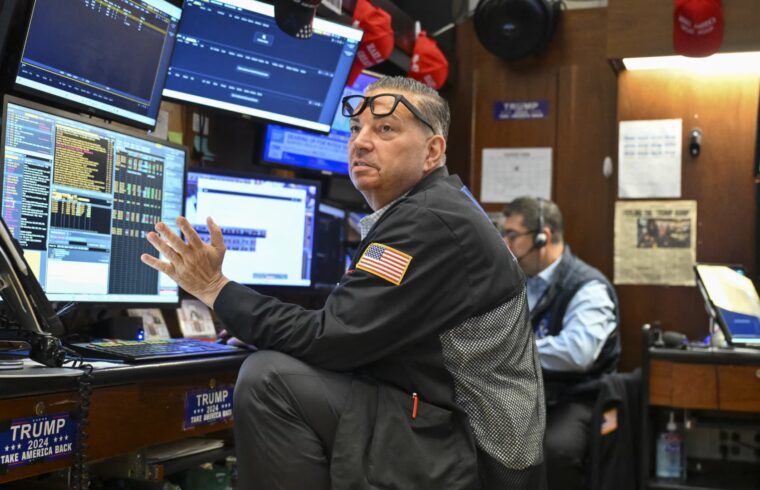
- Treasury yields declined as investors sought refuge amid falling equity futures.
- Current projections indicate Democratic gains in the House and a potential flip in the Senate.
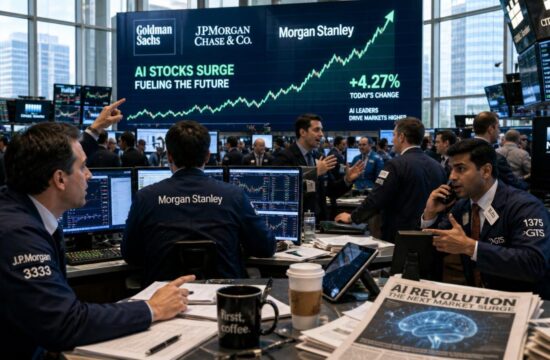
- Stock futures experienced a sharp drop, particularly in AI-related sectors, reflecting market concerns.
Understanding the Financial Landscape
Recent movements in U.S. Treasury yields underscore the market’s reaction to shifting political dynamics as the midterm elections unfold. Investors responded to a dip in equity futures, leading them to adjust their portfolios and seek safer options such as Treasury bonds. This behavior reflects a broader trend where uncertainty, especially in political realms, drives financial strategies and asset allocations.
The significance of Treasury yields also lies in their role as a key indicator for investors and economists alike. Yields affect borrowing costs, influence mortgage rates, and are tied directly to broader economic sentiments. As yields fell, the benchmark 10-year Treasury note yielded 4.902%, while the longer-term 30-year bond also witnessed a steep decline. This environment promotes a cautious atmosphere as market players scrutinize Congressional results closely.
Market Reactions and Political Implications
Amid the election excitement, projections hint at a likely Democratic victory in the House, alongside competitive Senate races. With key seat flips, like that in North Carolina with former Governor Roy Cooper, the implications for corporate and fiscal policy are resonant. Investors’ anxiety was particularly palpable as stock futures dropped sharply; the S&P 500 contracts fell by 1.1%, and Nasdaq-100 futures plummeted by 2%. These declines were notably exacerbated by fears that potential Democratic victories could hinder tech innovations and construction, particularly regarding AI data centers.
This electoral momentum brings an opportunity for legislative shifts that could redefine market landscapes. However, it simultaneously raises concerns over regulatory changes that might impact sectors such as technology and finance. As market dynamics dance in alignment with political transitions, investor strategies may need to adapt to newly emerging priorities and policies.
Broader Implications and Future Considerations
The interplay of political outcomes and market reactions invites reflection on the macroeconomic patterns that also shape everyday lives. As new congressional leadership emerges, discussions surrounding fiscal policies and sustainability are likely to gain traction. The financial implications could ripple through housing, consumer spending, and overall economic growth, highlighting the intricate balance between governance and market health.
To mitigate volatility and manage risks, stakeholders from various sectors may need to consider proactive strategies responsive to political shifts. Examining historical data during similar transitions might offer valuable insights into potential outcomes. As we navigate this evolving landscape, the key question looms: How will these election results reshape market trends, and what strategies can investors adopt to safeguard their interests?
Conclusion
In summary, the fluctuations in Treasury yields, falling equity futures, and anticipated Democratic gains in the midterms highlight a critical moment in the intersection of politics and finance. As significant changes unfold, individuals and institutions alike are encouraged to assess their positions and prepare for continued market evolution. What strategies do you believe will be most effective for investors in this uncertain political climate? How might these election outcomes influence your financial decisions moving forward?
Editorial content by Skyler Thompson