Highlights:
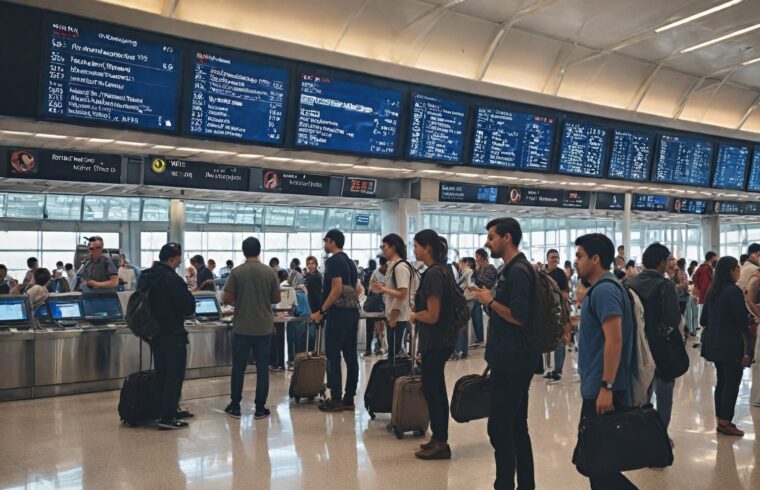
- A widespread cyberattack disrupts airport operations across Europe, including at Heathrow and Brussels airports.
- Collins Aerospace confirms that their systems for check-in and boarding management were impacted.
- Passengers are facing significant delays and cancellations due to the ongoing issues affecting multiple airports.
Cyberattack Causes Havoc in European Airports
The aviation sector is reeling after a significant cyberattack disrupted operations at multiple major airports across Europe, including Heathrow and Brussels. This incident comes at a time when air travel is experiencing a resurgence following the pandemic’s constraints. Cybersecurity in the transportation sector has been a growing concern, as reliance on technology increases operational efficiency, yet also heightens vulnerability to cyber threats. The implications of this disruption extend beyond just flight schedules; they touch on safety, data protection, and traveler confidence.
Airports like Heathrow and those in Berlin have reported a cascade of delays and cancellations as they grapple with the fallout from what has been termed a “cyber-related disruption” by Collins Aerospace. The company, responsible for essential boarding and check-in systems, is working to resolve the issue, but the effects are already being felt widely as travelers find themselves stranded or facing uncertainty about their flight status.
Disruption Details and Response Measures
In-depth analysis reveals that Collins Aerospace’s software failure led to a ripple effect across various airports that rely on their technology. Apart from the immediate impact on passenger travel, the incident raises critical questions about security preparedness within the aviation sector. Experts suggest that airports must urgently reevaluate their cybersecurity protocols and invest in more robust systems to mitigate future risks. The challenge is compounded by the rapid pace of technological advancement, often outstripping security measures in place, leaving infrastructure vulnerable to malicious attacks.
Airports across Europe are racing to adopt contingency plans, including backup systems and manual processes, to keep their operations running despite the ongoing digital threat. Passengers are being advised to check for updates from airlines frequently and to be prepared for potential cancellations, signaling a growing reliance on real-time information to navigate the current chaos.
Future Implications and Recommendations
The implications of this cyber disruption reach far beyond immediate operational challenges; they underline the urgent need for reforms in cybersecurity measures within the aviation industry. As incidents of cyberattacks become more frequent across various sectors, the adoption of stringent protocols and inter-agency collaboration will be paramount in safeguarding critical infrastructures. Solutions may include heightened cybersecurity training for airport staff and investments in advanced threat detection technologies.
Going forward, the industry must engage with government stakeholders to establish stronger regulations that ensure airports are equipped to counteract cyber threats effectively. The incident has highlighted vulnerabilities and can serve as a wake-up call for both public and private sectors to prioritize cybersecurity in their strategic planning.
In conclusion, the recent cyberattack affecting European airports illustrates the fragility of modern aviation amidst rising technological threats. As we reflect on this disruption, what steps should be prioritized to enhance the security of airport operations? How can stakeholders collaborate to protect travelers from future incidents? And what role does passenger awareness play in navigating this evolving landscape?
Editorial content by Avery Johnson