Highlights
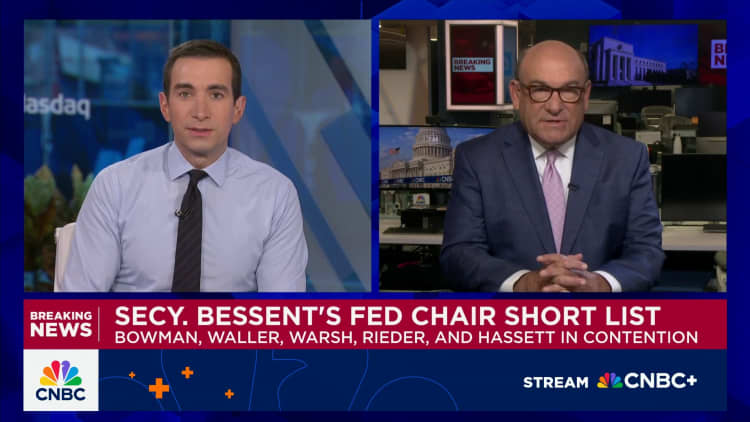
- Treasury Secretary Scott Bessent has narrowed the candidates for the Federal Reserve chair to five after extensive interviews.
- The list includes both current Fed officials and experienced economists, setting up a crucial selection process for the Trump administration.
- The candidates will be assessed based on their openness to new ideas and potential shifts in Fed policy.
Introduction: The Race for the Federal Reserve Chair
The future leadership of the Federal Reserve is a topic of intense interest and scrutiny, particularly as the Trump administration prepares to make a pivotal appointment. Following a thorough interviewing process led by Treasury Secretary Scott Bessent, the candidate pool for Fed chair has been trimmed down to five from an initial eleven. This decision could have ramifications not only for the American economy but also for the Federal Reserve’s influence on global monetary policy.
The selection process comes at a crucial time as the current Fed Chair, Jerome Powell, approaches the end of his term in May. The new chairperson will likely be a key figure in navigating economic challenges and implementing policy changes, making the stakes high for the incoming appointee. With growing criticism surrounding federal monetary practices, this appointment is being watched closely by economists, investors, and political leaders alike.
Core Candidates: A Closer Look
The five candidates who have made it to the final round of consideration include distinguished figures within the financial sector and academia: Vice Chair for Supervision Michelle Bowman, Governor Christopher Waller, Kevin Hassett, former Fed Governor Kevin Warsh, and BlackRock Fixed Income Chief Investment Officer Rick Rieder. The selection process will continue with further interviews conducted by Bessent alongside senior officials from both the Treasury and the White House, slated for the coming weeks.
Unique challenges accompany this selection, considering the current Fed’s criticism from the administration, including pressures to lower interest rates. Previous actions, such as attempted dismissals of Fed officials, have raised concerns about the Fed’s independence. Each candidate’s philosophy on monetary policy and experience will be scrutinized to determine who can best guide the institution during such turbulent times.
Implications of the Appointment
The choice of the new Federal Reserve chairperson could have lasting implications for the U.S. economy, not only affecting interest rates but also shaping broader economic policy and regulation. Secretary Bessent appears to be inclined towards candidates who bring fresh perspectives on mitigating the Fed’s size and operational reach, which could lead to significant policy shifts, especially around quantitative easing practices.
No candidate has emerged as the clear frontrunner, although Rick Rieder’s outside perspective and extensive financial acumen have earned him notable attention in the selection process. Rieder’s approach could resonate well with Bessent’s vision for a more streamlined and effective Fed, indicating a potential shift in how the Fed operates in the future.
In conclusion, the hunt for the new Federal Reserve chair is a highly consequential process, with candidates representing varying philosophies and approaches to monetary policy. As the final decision approaches, key questions remain: How will the new chair impact Fed independence? What specific policy changes could be expected under new leadership? And how will these changes influence the broader economy as it emerges from recent challenges?
Editorial content by Sage Anderson