
Highlights:
- Reshoring efforts are gaining traction amid shifting economic policies.
- Infrastructure and industrial stocks may compete with AI-focused investments.
- New ETFs are emerging, driven by electrification and reshoring trends.
The Rising Importance of Infrastructure Investment
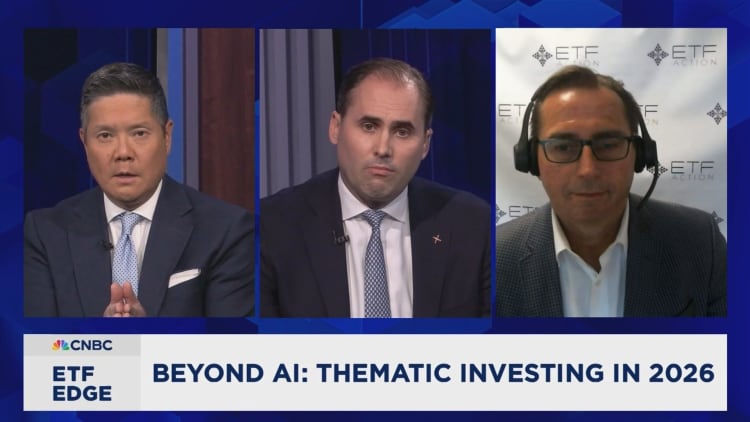
In recent discussions about investment trends, the focus is shifting from the explosive growth of artificial intelligence (AI) to industrial and infrastructure stocks. As the global economy grapples with the repercussions of globalization, a return to local manufacturing—and what experts term ‘reshoring’—is becoming increasingly significant. Mike Atkins from ETF Action notes that this shift could set the stage for a bullish investment climate, especially in the context of a month marked by volatility among Big Tech and AI stocks.
Atkins argues that the traditional infrastructure sectors, which have lagged behind in recent years, are well-positioned to benefit from the emerging economic policies aimed at revitalizing domestic production. The positive outlook is not just speculation; it’s backed by trends indicating a genuine pivot towards investing in these essential sectors.
Exploring the Heart of the Change
Ryan O’Connor, CEO of Global X, reinforces this optimism by highlighting how infrastructure developments are crucial to supporting the AI ecosystem itself. Global X manages the U.S. Infrastructure Development ETF (PAVE), which is already seeing a $16% increase this year, indicating strong interest from investors. The firm believes that as reshoring initiatives take hold, companies engaged in construction and industrial projects will see a surge in demand, and this perspective aligns with broader consumer trends favoring localized production.
Performance comparisons illustrate this point: while the VanEck Semiconductor ETF (SMH)—home to tech giants like Nvidia and Broadcom—has appreciated 42% this year, the landscape is changing. Global X’s PAVE is consistently finding favor among investors amid sentiments that electrification initiatives, necessary for a robust economy and the AI boom, can be effectively leveraged through solid infrastructure investments.
The Path Ahead: Implications for Investors
The implications of this shift acquire additional nuance when considering the impact of electrification on the U.S. economy. O’Connor indicates that the U.S. Electrification ETF (ZAP), another fund from Global X, is performing nearly 24% year-to-date, showcasing the rising importance of electrification technology. This rise further underlines the integral role of infrastructure in sustaining the momentum of AI advancements. Investors are not just looking for immediate gains; they’re increasingly interested in the underlying factors that will support long-term growth.
As interest in infrastructure and electrification grows, the financial landscape will continue to evolve. The integration of these sectors into investment strategies may very well represent a new frontier, pivoting away from the sole dominance of AI-focused investments. Thus, investors are urged to consider not just the present returns but also the potential for future growth stemming from these foundational industries.
In summary, the transition from a technology-driven investment environment to one that embraces infrastructure and industrial returns is becoming more pronounced. The focus on reshoring and electrification signals a significant change in investment strategy. As we reflect on this transformation, one must consider: How will the shift in investment focus alter the competitive landscape between technology and industrial sectors? What role will government policy play in facilitating these changes? And how can investors position themselves to effectively capitalize on these emerging trends?
Editorial content by Sage Anderson