
Highlights
- The Federal Reserve is likely to implement its third consecutive interest rate cut, signaling complex economic dynamics.
- Policymakers are divided over whether to continue easing due to concerns about inflation and labor market conditions.
- The Fed’s upcoming meetings will shape expectations regarding future rate changes and economic growth indicators.
The upcoming Federal Reserve meeting is set to be a pivotal moment in U.S. economic policy as the central bank emerges ready to announce what is anticipated to be its third consecutive interest rate cut. This decision comes amidst profound uncertainty and differing opinions among policymakers. The implications of this cut are far-reaching, as it seeks to navigate a gap between supporting the economy and controlling inflation. Understanding the context and significance of these discussions is essential for grasping the current economic climate.
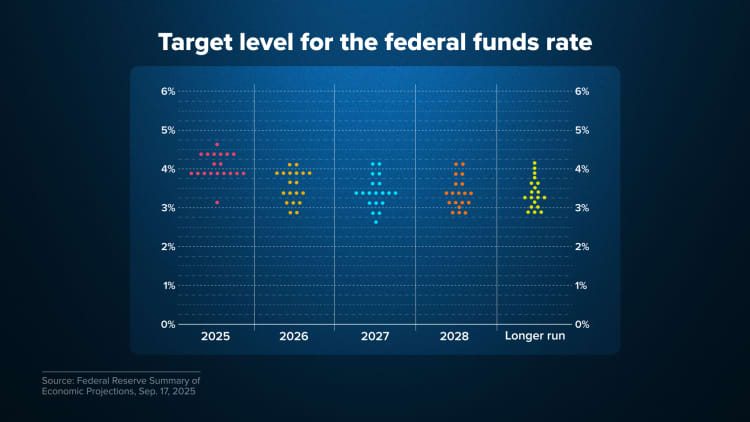
The looming interest rate cut is expected to bring the Fed’s key rate down to a range of 3.5%-3.75%. However, behind this seemingly straightforward adjustment are complexities and concerns. Many members of the Federal Open Market Committee (FOMC) are expressing cautious optimism about easing monetary policy, fearing it may exacerbate inflation. The phrase “hawkish cut” has been coined to describe a scenario where a cut occurs, but with a stern reminder from the Fed that it is not committed to further reductions in the immediate future.
Many moving parts
Fed Chair Jerome Powell’s tone in the upcoming press conference will be closely scrutinized for subtle signals about future policy direction. Analysts predict he might highlight the varying perspectives prevalent within the FOMC, particularly in light of dissent expressed in previous meetings. Such disagreements among committee members could lead to a more nuanced discourse rather than a unified stance. Despite a solid case for continuing the cuts to support the economy, deep-seated concerns regarding inflation persist and weigh heavily on the conversations around policy adjustments.
As the economic metrics evolve, reports indicate that hiring trends are plateauing with signs of increased layoffs. Compounding these issues is the ongoing inflation, as the Fed’s preferred gauge indicates that rates remain elevated, significantly deviating from the 2% target. These trends form the crux of the Fed’s deliberations as it attempts to balance economic growth with price stability amidst troubling labor market changes.
Inflation worries
Inflation has become a focal point in the Fed’s decision-making process. While some policymakers argue that current price levels reflect temporary pressures, the persistent divergence from the Fed’s goals is creating a sense of urgency for more cautious monetary policies. Most notably, former Cleveland Fed President Loretta Mester has emphasized that as long as inflation maintains a steady presence above target levels, a somewhat restrictive policy might be essential to guide it back down.
Though markets are keenly attuned to the potential for an additional rate cut, Mester’s insights indicate a desire for the FOMC to communicate a shift towards a more stable economic environment. The importance of conveying this message could serve to alleviate some concerns surrounding inflation while preparing for necessary adjustments to the Fed’s balance sheet management strategies.
Conclusion
In summary, the forthcoming Federal Reserve meeting is emblematic of the challenging balance the committee must strike between encouraging economic growth and controlling inflation. Forecasts suggest that while a rate cut is on the table, significant apprehensions linger regarding inflationary pressures and labor market stability. This pivotal moment raises several questions for stakeholder contemplation: How will different factions within the Fed influence future policy directions? What measures can be taken to ensure inflation remains in check while also supporting economic growth? Will the Fed’s strategies adapt effectively to these evolving economic conditions?
Editorial content by Sage Anderson