In this photo illustration, Apps for online prediction market sites are shown on an electronic device on Feb. 25, 2026 in Chicago, Illinois.
Scott Olson | Getty Images
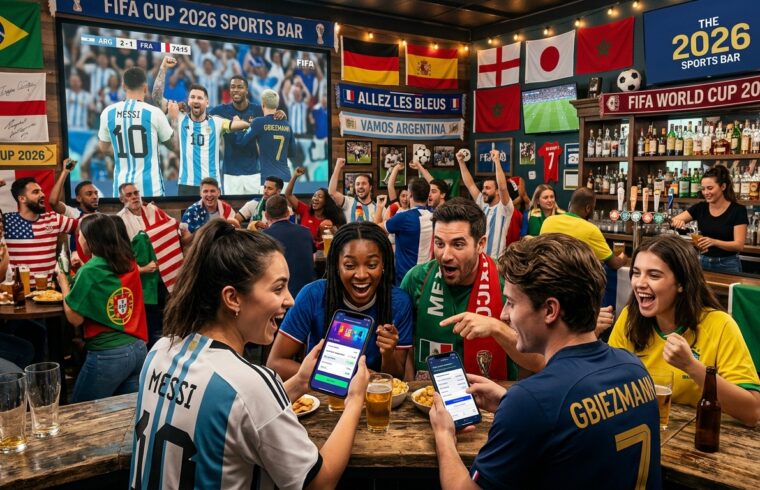
The highly anticipated 2026 FIFA World Cup, set to leave a significant mark on the global sports landscape, is not only an event for soccer fans but has also captured the attention of traders and investors on prediction markets. With projections estimating it to be the largest gambling event ever, prediction market platforms are experiencing a surge in trading activities, signaling the growing intersection of sports, gambling, and financial trading.
As the tournament unfolds, platforms like Kalshi and Polymarket have reported unprecedented volumes, turning World Cup predictions into multi-billion-dollar trades. This dramatic uptick underscores the importance of these platforms in shaping contemporary discussions around betting and speculation in sporting events, exemplifying how technology and traditional sports are increasingly intertwined.
Surge in Trading Volumes
The flow of activity on prediction market platforms has reached staggering heights, with Kalshi reporting over $31 billion in notional trading volume during June—a 70% increase compared to May. The platform has become a powerhouse in daily transaction volume, consistently surpassing $1 billion since the World Cup kicked off on June 11. Similarly, Polymarket has witnessed record-breaking numbers, with over $10.8 billion in notional trading for international contracts, revealing a robust appetite for World Cup betting.
The excitement extends to Team USA’s chances, with significant wagers placed on their performance against Belgium in the round of 16. This fervor is indicative of not just the competition itself but the thriving ecosystem surrounding it. New entrants like Rothera, a joint venture with Robinhood, have also joined the fray, reflecting a growing endorsement of predictive trading in sports. With $2 billion in notional volume within a month of its launch, Rothera has quickly claimed about 7% of the U.S. prediction market volume, marking its potential impact on how consumers engage with sports predictions.
Future Implications for Prediction Markets
The implications of this surge in prediction market trading during the World Cup extend beyond mere metrics. Stakeholders—regulators, traders, and investors alike—are scrutinizing how these platforms operate under high-stakes conditions. The World Cup presents a critical testing ground for market integrity and the viability of prediction-based trading during peak periods of investment interest. Asaf Meir, CEO of Solidus Labs, highlights that this event acts as a major pressure test, raising pivotal questions regarding the safety and stability of the markets.
This unprecedented wave provides an opportunity for prediction market platforms to demonstrate their capabilities to maintain fair trading environments amid upswing. Operators have the chance to showcase technological innovations and mentalities focused on user protection. As regulatory frameworks evolve, the way these markets handle risk and consumer interest in speculative investments might define the future landscape of sports gambling and financial trading intersection.
Editorial content by Skyler Thompson